Trauma and Arthroscopy: Different Worlds, Shared Principles
Why the same patient might benefit from a fixator one week and an arthroscope the next, and what the two procedures share in common.
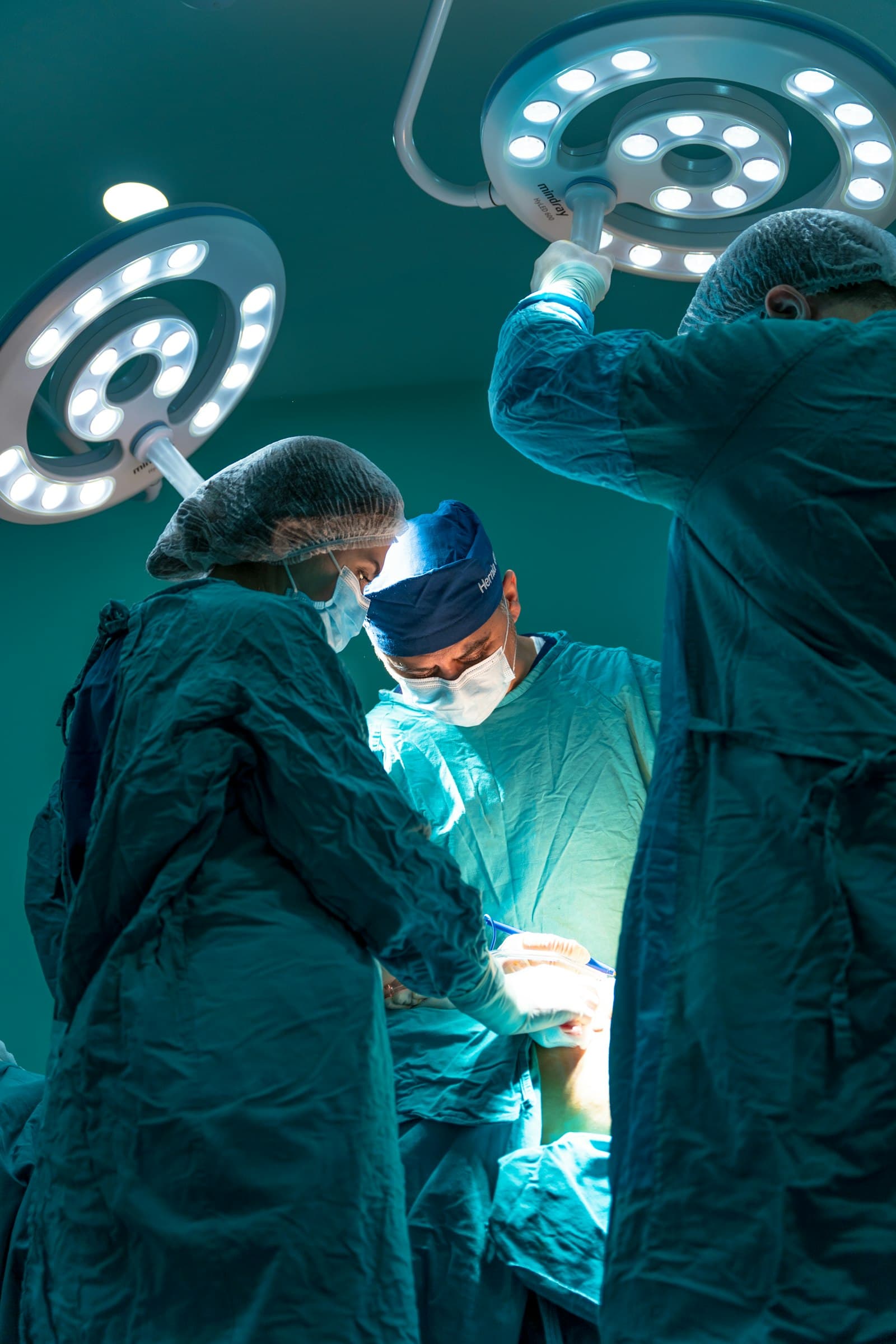
Trauma surgery and arthroscopy sit at opposite ends of the orthopaedic spectrum, but the principles behind them are surprisingly close. Both come down to the right hardware, in the right hands, used at the right moment.
Trauma: Restoring Structure Under Pressure
Trauma cases are urgent. The goal is to stabilise the fractured bone in the right alignment, give it a path to heal, and let the patient get back to normal function. Plates, screws, nails, and external fixators each have their place, depending on the fracture pattern, the location, and the patient.
Arthroscopy: Precision Through a Small Window
Arthroscopy sits on the opposite side. It is usually elective, often diagnostic as much as it is therapeutic, and built around minimally invasive access. The implants are small, the instruments delicate, and the goal is to fix soft-tissue or joint-surface problems with as little disruption as possible.
What They Share
Both depend on biocompatible materials, tight tolerances, and instrument sets that behave the way the surgeon expects when things get busy. Both reward suppliers who keep stock close to the operating room and respond quickly when a case takes an unexpected turn.
What to Look for in Orthopaedic Implant Quality
Beyond the certificate on the box. The practical signals that separate a high-quality implant from one that just meets the minimum bar.
The Role of CE Marking and ISO 13485 in Patient Safety
Two acronyms, one purpose: protecting patients. A clear-eyed look at what these standards actually guarantee, and what they do not.